Farmstay U.S. Blog

Created for and by travelers and the farmers, these posts will cover a variety of topics related to farm stays in the U.S.

Archive for tag: California

Please join us in welcoming a new member to Farm Stay U.S... Lucky Goat Family Farm, located in beautiful Big Sur, California!

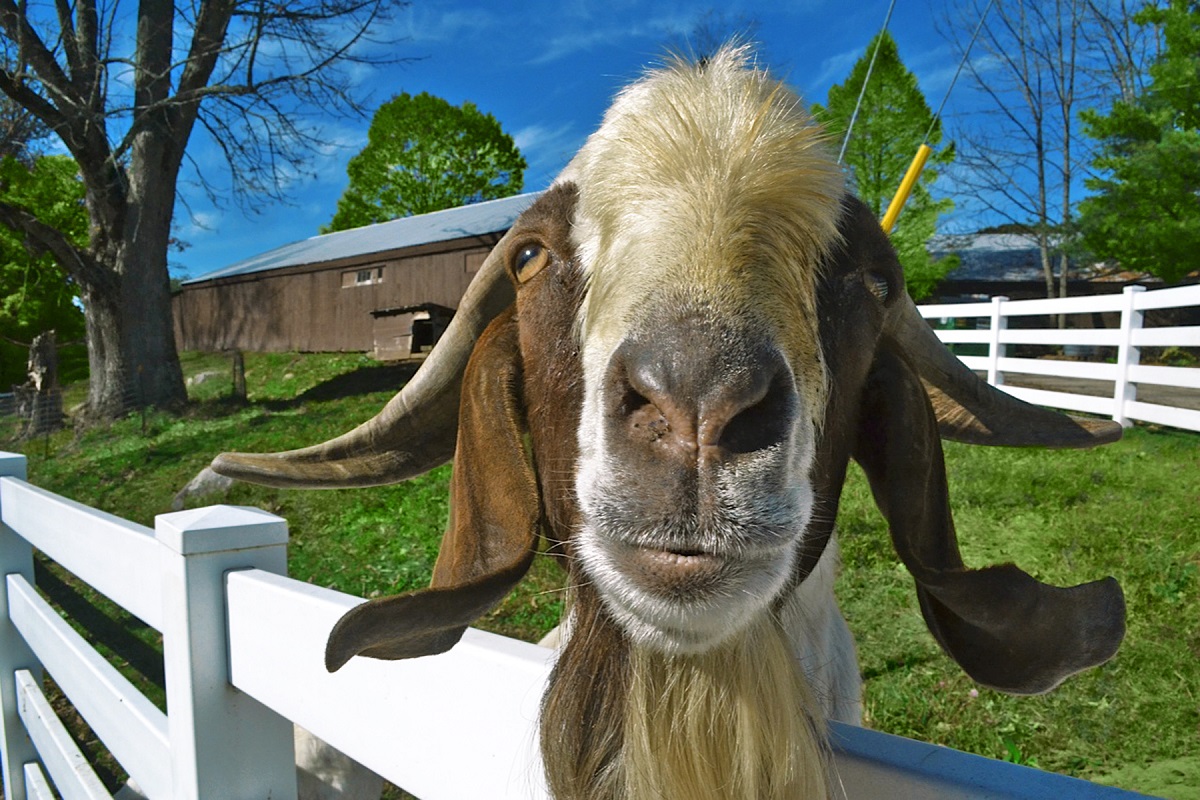
Lucky Goat 1


Lucky Goat Family Farm is equally inviting for families with children as it is for romantic couples, singles, or groups of friends. Each day begins with milking the goats, making cheese, checking the troughs, and watering the gardens. Guests are welcome to join in, or just relax on the spacious decks overlooking the ocean.

The farm hosts have been making goat cheese for 26 years and they offer a special goat cheese making workshop (by reservation, with a separate fee from the stay).

Lucky Goat 2


The cottage has room for up to five guests to stay and experience this haven for wildlife and livestock, including goats, sheep, horses, cattle, sheep dogs, deer, bobcats, fox, and condors.

The farm is located close to Pheiffer Beach and the Cultural Center of Big Sur, Loma Vista, where visitors can find great music and wonderful shops of local crafts.

Want to see more? Visit the Lucky Goat Family Farm listing on Farm Stay U.S.

Serina Harvey and her two sisters founded Flip Flop Ranch in 2003. The ranch, located in the desert of Southern California near Big Bear Lake, combines a farm stay with heritage livestock and farming therapy for women who have been victims of domestic violence. The ranch's mission is "To build healthy relationships between people and the world around them." We are excited to share our interview with Serina, and give you the inside scoop on this fascinating place.

flipflopranch-fun

1. Neighboring farmers laughingly dubbed your place "Flip Flop Ranch" when they noticed you and your two sisters -- city slickers turned farm girls -- doing ranch chores in fiip flops! Have you found any chores that you can't do in flip flops?


There are few chores we haven't learned to do in Flip Flops, but there are some.  It's difficult to shovel in flip flops, for example, although not impossible.  Milking the goats is definitely a challenge, mainly because they have a tendency to step on your toes and boy does that hurt.  We have horses and cows and we don't do any serious work with them in our flip flops.  That is one thing that we will actually change out of our flip flops for because if a cow or horse steps on your toes, you are in for some serious damage.  I'm racking my brain to try and figure out what I won't do in my flip flops and I can't really think of anything else.  I don't like wearing flip flops when it's really muddy outside, but fortunately that doesn't happen very often in the desert.  Also, sometimes when I'm planting in the garden I will sit back on my feet and the ground can be very hot in the summer (again, it's the desert) and my poor toes get burned.  Most of the time I just put a towel on the ground first, but sometimes I change out of my flip flops.  Any activity that has a big likelihood of resulting in permanent toe damage, I will change out of my flip flops for.

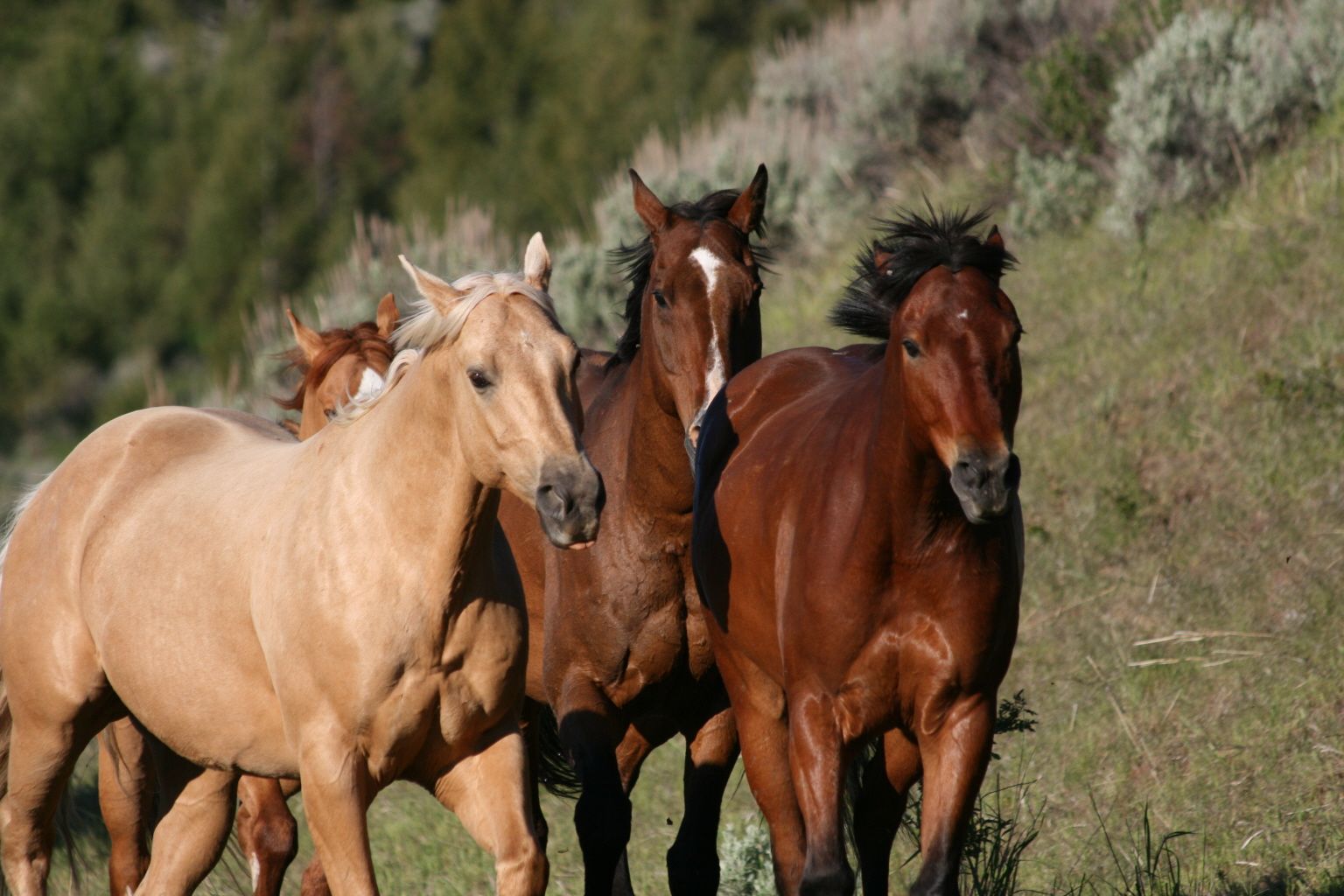
flipflopranch-horses

2. Tell us about your heritage livestock! What kind of, and how many animals, do you have?

Just about all of our animals are heritage livestock.  We have 30 Cotton Patch geese, 100 Dorking chickens, a handful of Nigerian Dwarf goats (and we want lots more), some Australorps, Bourbon Red turkeys and Guinea hogs.  We have somewhere around 300 animals and we sell hundreds every year.  The cotton patch geese and dorkings are our biggest sellers and they make enough to pay for themselves, plus a pretty decent profit.  We raise the bourbon red turkeys for thanksgiving and hope to sell Guinea Hog meat soon.

3. You also have an orchard and organic gardens. What do you do with all the food you raise?

We use most of the food we raise in order to feed our guests and then we sell most of the rest of the food to them when they leave!  It's like built in customers.  Direct marketing is really the best way to make a profit for a small farm. You cut out the middle man, farmer's market costs, transportation, etc.  We make jams from our fruit, zucchini bread, garlic pumpkin seeds and many more value-added products.  Our guests become hooked on the great food we serve and want to buy some to take home with them.

flipflopranch-peaches4. Tell us about your ranch's setting. What's the landscape like, and the climate?

The ranch is located in the High Desert of Southern California.  The landscape is very much like a western movie setting and the area is actually very popular for filming movies.  Roy Rogers and Dale Evans used to live out here and John Wayne and many other cowboy celebrities would vacation here.

The desert is shrubs, cactus, Joshua trees and gorgeous sunsets.  It certainly can get hot here, but the desert nights make it totally worth it.  In the summer, the nights are perfect with a billion stars in the sky.  Winters can also be chilly, but most of the time, summer or winter, it's between 70-90 degrees with very little humidity.

5. What kinds of things do guests typically do when they visit?

Guests are welcome to do whatever they want when they're here, but most guests help feed the animals during the morning and afternoon feedings as well as help to milk the goats.  The little ones (well, the big ones too) help collect the eggs.  The more industrious guests help harvest food from the garden or orchard and maybe join us in the garden to plant or weed.  The very industrious guests grab shovels and join in with the hard work.  During the downtime, guests can swim in the pool or play billiards, air hockey, darts or fooseball in the game room.

6. What are your accommodations like?

We offer four rooms in our 3,000 sq ft house.  All of the rooms are a good size with some of them just downright huge. Our biggest room has 2 queen beds and a twin with room for some blow up mattresses (available from us) for a large group to sleep on.  The rooms are pretty simple, but comfortable and clean farm house rooms.  We are starting to work on some farm murals and cheerful paint on the walls and are constantly trying to make the accommodations nicer and more comfortable because we want our visitors to be happy.

7. Your ranch is also part of a domestic violence nonprofit program for women who are victims of violence. How does the program work, and how does it fit in with your farm stay?

I am a farmer, but I actually have my doctorate in marital and family therapy.  In all my copious spare time, I offer farming therapy for military personnel with PTSD and for women victims of domestic violence/abuse.  Nature works amazingly well to heal people and research has shown that farm work, even without any therapy, can create significant improvements in people's mental health.  I simply take it a step further and combine farming with actual therapy.  Trauma seems to melt away while you're milking a goat, bitterness disappears with every pumpkin that grows, and self-esteem builds with each jar of jam that is made.  Our farming therapy program is something that I and my family really want to expand.  It brings meaning to our lives, as well as our clients', and a service-oriented purpose to our farm.

8. What meals do you serve, and what's on the menu?

We serve all sorts of things at the ranch.  We eat with our guests so we have to cook for ourselves as well as them.  Sometimes we get bored with the same thing so we have the attitude that our guests are joining US for dinner, rather than us joining THEM.  Tonight we had smoked brisket, corn on the cob, mashed potatoes, salad and watermelon.  However, we've also had taco bars, spaghetti and sloppy joes.  I make the most amazing enchiladas.  For breakfast, we usually have some variant of pancakes, bacon and farm fresh eggs.  My pancakes are becoming (slightly) famous because I sometimes make them in crazy designs like cows, chickens, goats or even a six-shooter.
------


Fore more information on Flip Flop Ranch, visit their Farm Stay U.S. Page and http://www.flipflopranch.com.

A couple of weeks ago, we welcomed four new members to site who joined us in March. Today we bring you Part II of that post, with three additional farm and ranch members to introduce!

Ovenell's Heritage Inn at Double O Ranch, Concrete, Washington

ovenells

This 580 acre working cattle ranch is nestled in the rugged foothills of the North Cascades, along the Skagit River. Enjoy abundant wildlife, and seasonal ranch activities like the round-up in September, or the birthing of calves starting in February.

Ovenell's Heritage Inn can accommodate up to 43 guests -- anywhere from 4 in a cabin or 6-8 in a guest house. Meals are self-prepared, breakfast may be included. Children under 12 are welcome, as are pets, weddings, private parties, and other special events.


Flip Flop Ranch, Lucerne Valley, California

flipflopranch

Described as "the middle of nowhere" by the farmers (yet close enough to all the big sights), Flip Flop ranch is situated on 40 acres in the high desert of Southern California. They specialize in raising endangered heritage livestock, like Cotton Patch Geese (pictured), rare breeds of chickens, and more.

The farm can accommodate up to 24 guests with a variety of rooming options. Meals are are self-prepared in the full kitchen, or shared family style. Children under 12 are welcome, as well as wedding parties, reunions, and other special events.


Happy Hills Alpaca Farm, Monroe, North Carolina

happyhillsalpaca

Located less than 30 miles from Charlotte, North Carolina, the denizens of Happy Hills Alpaca farm invite you to relax among the shade trees and watch the alpacas graze. Guests can simply enjoy their surroundings, learn to spin alpaca fiber into yarn, or get down and dirty with alpaca training.

The farm can accommodate up to 4 guests at a time with a guest bedroom and an RV. Meals are included with family style dining, cookouts, and refreshments. The farm allows one well-behaved child under 12, as well as weddings, parties, and other special events.